Showing posts with label Maintenance. Show all posts

Monday, October 24, 2016

Seven Signs that Your Car Needs a New battery

Seven Signs.jpg
Car batteries—they’re something drivers often don’t think about until there is something wrong. Especially before the cold weather comes, it’s important to think about the state of the battery in your car. To prevent yourself from becoming stranded on the side of the road or in a parking lot, learn the warning signs of a dead battery.


1. Age. The age of your battery can be an excellent indicator of a weak battery. Car batteries can last beyond three years, but it’s important to inspect it annually to ensure that it is in good working condition.


2. Slow Engine Crank. Have you ever gotten into your car only to find out that your engine struggles to turns over? This might be an indicator of a bad alternator or starter, but if both of these areas are in good working order, it’s likely a problem with your battery.


3. Low Battery Fluid. Car batteries often contain a translucent covering that allows you to keep an eye on the battery fluid. If the fluid level is dipping below the energy conductor, then it’s time to test your charging system or get a new battery.


4. Poor Driving Habits. Your driving habits can actually shorten the lifespan of your battery. Poor driving habits can include taking too many short trips (less than two minutes) that don’t allow enough time for your battery to recharge and extreme temperatures and temperature fluctuations.


5. Battery Leaks. Battery leaks can cause corrosion around the posts of your battery. Leaked battery fluid must be removed, otherwise, it can cause irreparable harm to your battery’s life.


6. Swollen Battery Case. Excessive temperature fluctuations may cause your battery case to swell up or bulge. If your car is sitting in heat or abandoned for long periods in the winter, the battery will cease to work properly.


7. An Unpleasant Smell. If your battery is indeed not working, it can emit a weird gas smell that’s similar to rotten eggs. Have your battery inspected as soon as possible to ensure that your car is running smoothly.

Make sure you know the signs of a weak battery before you find yourself in an emergency. It can save you tons of money and prevent a great deal of hassle. For more information on proper car maintenance and practicing safer driving habits, visit Tenvoorde Ford.

Monday, April 18, 2016

Springtime Road Hazards: Potholes

Springtime Road Hazards-.jpg

Springtime is here! You might notice the emerging green grass, blooming flowers, and, unfortunately, potholes. Potholes are caused by the expansion and contraction of ground water after the water has entered into the ground under the pavement. These potholes can cause serious safety hazards and can damage your car causing expensive repairs. Large potholes cause instant damage to your tire and wheel while smaller potholes cause damage to your wheel and suspension resulting in future acceleration and alignment issues.

Our quick lane services offer a variety of options to help keep you safe from pothole damage:

  1. Wheel alignment and tire balance: Potholes can end up creating uneven alignment in your tires. Tires that are not properly aligned can cause your vehicle to sway in different directions causing a reduction in your gas mileage and uneven wearing on your tires.

  1. Tire rotation: Tire wear can happen for a variety of different reasons - especially spring potholes! Occasionally rotating your tires can help extend the lifespan of your tires. Tire rotations are quick and efficient for our staff at Quick Lane - you don’t even need an appointment!

  1. Complete vehicle checkup: Our trained staff will take the time to give your vehicle a full inspection and provide you with a full vehicle diagnostic. This inspection will include inspection of tires, brakes, belts, and hoses. We also check coolant and oil levels.

  1. Brake inspection and suspension check: Potholes can pop up out of nowhere, requiring drivers to take quick action. Regular maintenance of your vehicle's brakes is extremely important since brakes are built to wear over time. Hearing any squeaking or grinding noises is a good suggestion that it is time to get your brakes checked.

Don’t let Springtime potholes get you down this season. Protect your vehicle by getting a Spring tune-up! We have trained experts on hand to help restore vehicle damage and keep our customers safe at their convenience. We are available for service work in extended hours including weekends and weeknights. Reminder: No appointment is required. Stop by at any time for our expert vehicle support!

Wednesday, February 24, 2016

How To Tell If You Need New Tires

Tires - they’re kind of like the feet of your car. If your car’s tires are in good shape, you car will… run… smoothly. If they’re not taken care of, you might have some problems. Regularly replacing your car’s tires is important to ensure safe driving, and there are a few warning signs to look out for to know when it is time to replace them. Be on the lookout for vibration, bulges, or cracks, and check the tread, and age of your tires for best performance.


car-926826_1280.jpg1.      Vibration
Vibration is normal to feel while driving, however knowing the normal amount of vibration is important. Although there can be a number of reasons your car is vibrating, many times it can be fixed by new tires. Even if the problem is something else, (such as your struts or breaks) eventually it can lead to tire damage and then tire replacement.


2.      Bulges and Blisters
Regularly checking your tires for any bulges or blisters forming can prevent you from having a blowout while going down the road. If these bulges and blisters are ignored for too long, they can cause damage to your vehicle and injury to yourself and others. Remember to keep a close eye on weakening spots.


3.      Cracks
Cracks can be found on the sidewall of your tires. If you can easily see cracks, it is important to get them checked. This could indicate a leak or lead to tire failure. It is good to catch cracks early on to prevent any further issues.
winter-tires-1011442_1280.jpg


4.      Tread
A tread wear indicator bar is found on most new tires. When the tires are new these should be practically invisible. If one or more of these bars begin to become visible, it means your tread is wearing down. If you don’t have a tread indicator bar on your tires (or don’t know if you do) stick with the ol’ penny trick.


5.      Age
It‘s recommended you replace your tires every six years. If you’re not sure of the age of your tires, it’s best to have them looked at to be safe. After all, better safe than stranded.


At Tenvoorde Ford, we are fully capable of checking your tires. We can determine if your car is suffering for regular wear-and-tear, if it’s time for new tires, or if your car is suffering from more serious issues.

Monday, November 16, 2015

Prepare Your Vehicle for Winter

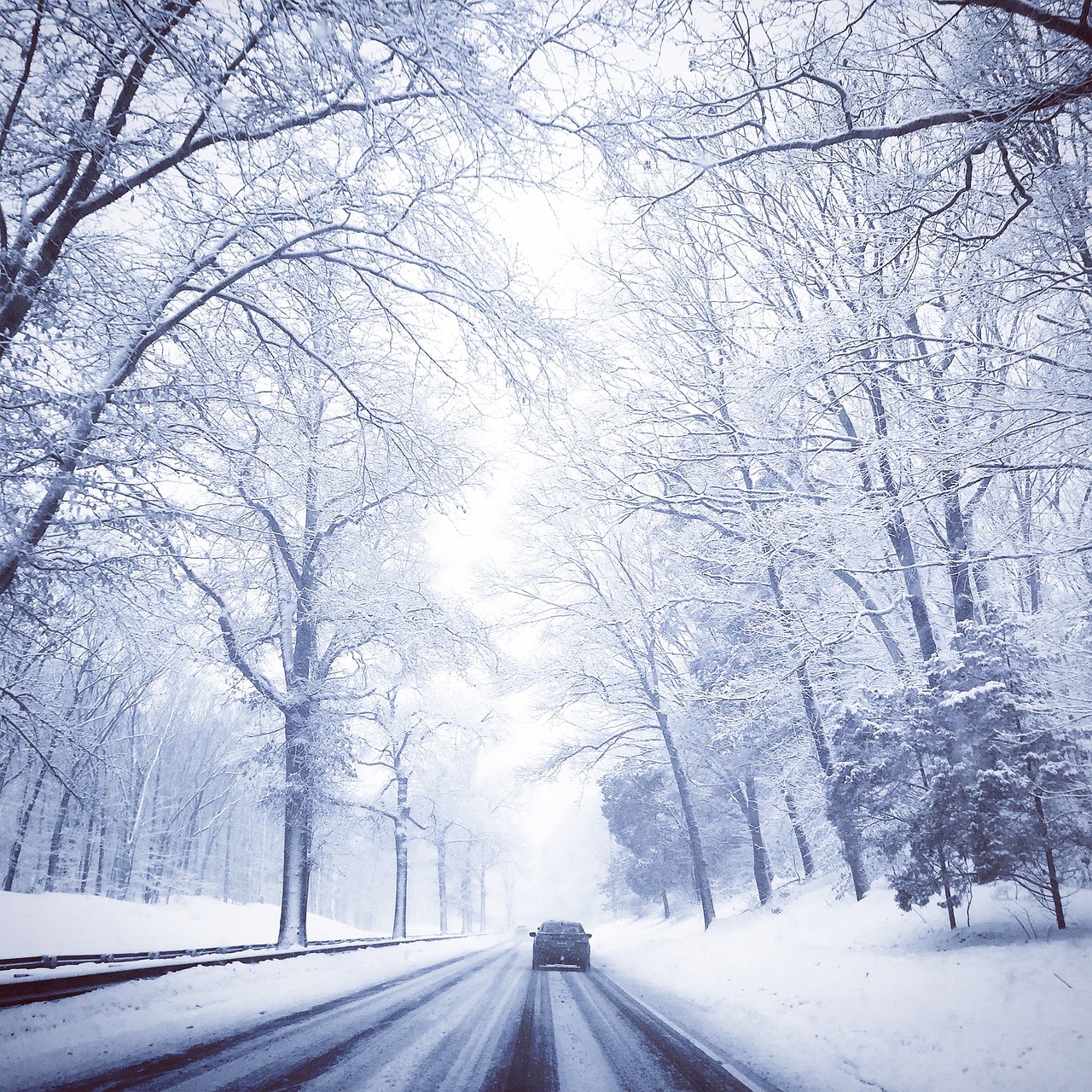
Summer has faded, the leaves have fallen and winter is on the horizon. With winter comes sledding, snowmen, ice-covered lakes, and hot chocolate, but it also brings a couple months of dangerous driving. At Tenvoorde Ford, we want to help you prepare for winter driving with some tips to get your car ready to take on the winter season.

The best course of action is to plan ahead. It is important to be ready for the snow to come at any time, especially when you live in Minnesota.
  • Check your radiator - either on your own (if you know how) or with a professional. Make sure to add antifreeze if needed.
  • It’s never fun when you use windshield wiper fluid and it freezes instantly. Buy a wintertime mixture and keep it in your car in case you run out.
  • Check your tires. Your tires will directly impact how your car can handle the snowy season. Make sure your tires have enough traction or replace your current tires with winter tires for added traction for the icy roads. You’ll also want to make sure the air pressure in your tires is at a normal level.
  • Never go below a half tank of gas. During the winter it is important to keep your gas tank near full at all times, which will help avoid ice in the tank and fuel lines.
  • Consider replacing your windshield wipers with winter wipers. Winter wipers have rubber coverings which keep ice from collecting on the blade providing you a clear view.
  • If you have a car with rear wheel drive, put a couple of bags of sand in the back to add extra weight to your car. The extra weight helps increase traction on your back wheels.
Plan longer trips thoroughly ahead of time. Check the weather before you leave; if it calls for a snowstorm change your plans to avoid dangerous road conditions. After all, there’s no destination so important that you need to put yourself or your family at risk to get there.

Now that you know what you need to do, go do it! Don’t wait another day as winter is fast approaching. Most winter problems come from the driver simply not being prepared and finding themselves in a situation that could have easily been avoided. Visit Tenvoordeford.com for more information on preparing for winter driving.